Understanding CNC Machining of Stainless Steel Parts
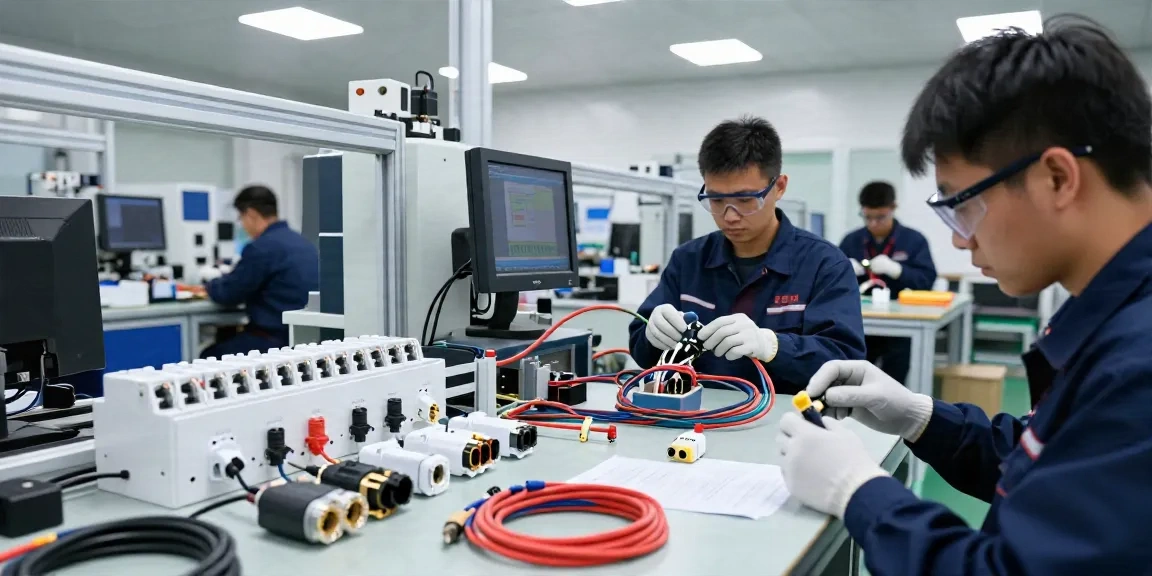
CNC (Computer Numerical Control) machining is a manufacturing process that utilizes computer-programmed software and machinery to create precision parts. Among the various materials that can be machined, stainless steel stands out for its unique properties such as high corrosion resistance and tensile strength. At Honscn, we have focused on the professional CNC machining of stainless steel parts since 2003, leveraging advanced technology and skilled craftsmanship. When exploring options for cnc machined stainless steel parts, it’s essential to understand the benefits they offer compared to traditional manufacturing methods.
What Are CNC Machined Stainless Steel Parts?
CNC machined stainless steel parts are components manufactured from stainless steel through CNC machining processes. These parts can range from simple brackets to complex assemblies used in various applications. The benefit of CNC machining lies in its ability to produce high-precision parts consistently without the significant manual labor typically needed in traditional machining. As a result, businesses can achieve tighter tolerances, improved surface finishes, and quicker turnaround times.
The Benefits of Using Stainless Steel
- Corrosion Resistance: Stainless steel naturally resists rust and corrosion, making it ideal for harsh environments, such as medical and chemical applications.
- Durability: Stainless steel components offer high tensile strength and can withstand significant stress without deformation.
- Aesthetics: The polished surfaces of stainless steel parts can enhance the overall look of a product, making them suitable for consumer-facing applications.
- Hygiene: In industries like food processing, stainless steel’s non-porous surface and ease of cleaning prevent contamination and ensure product safety.
How CNC Machining Works
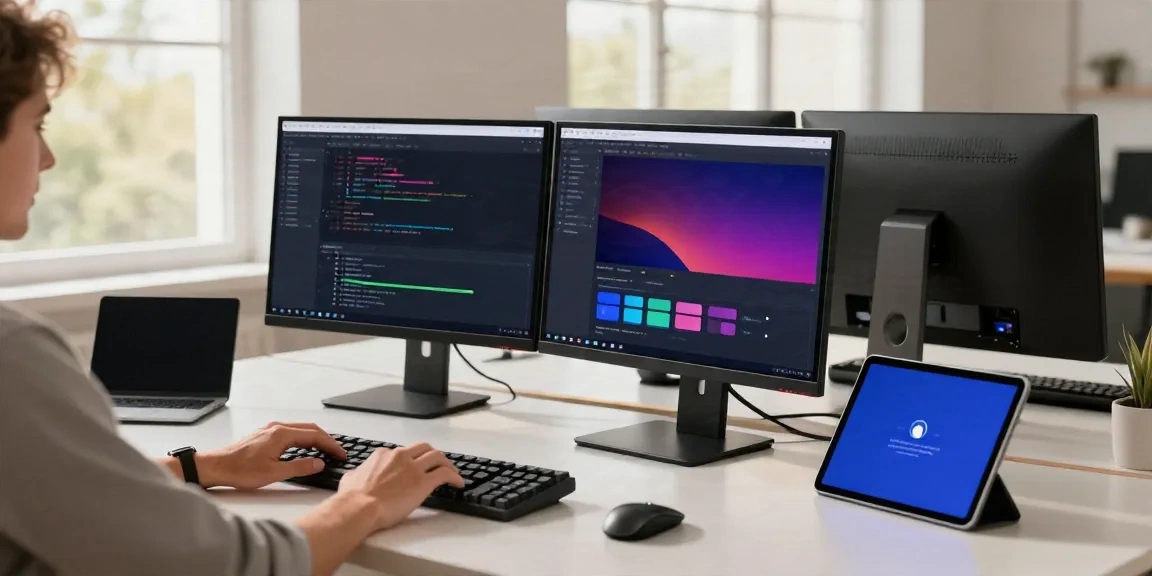
The CNC machining process involves several steps. Initially, a 3D model is created using CAD (Computer-Aided Design) software, which serves as the blueprint for the parts. Following this, CAM (Computer-Aided Manufacturing) software generates the specific tool paths that the CNC machine will follow. This automation allows precise control over cutting tools, significantly reducing human error. Once set up, the CNC machine operates continuously, removing material from the stainless steel workpiece until the desired shape and specifications are achieved.
Advanced Techniques in CNC Stainless Steel Machining
Leveraging CAD/CAM Software for Precision
The integration of CAD/CAM software in CNC machining has revolutionized manufacturing workflows. CAD software enables designers to create detailed 3D models of parts, incorporating every detail required for successful machining. CAM software, on the other hand, allows for the programming of the CNC machine, detailing how each tool will interact with the material. This dual-software setup enhances precision and reduces lead times, supporting a rapid prototyping environment that can scale efficiently.
Techniques for Enhancing Surface Finish
A superior surface finish is crucial in many applications, especially in industries like medical and food processing. Techniques such as polishing, blasting, and electroplating can enhance the aesthetic quality and corrosion resistance of machined stainless steel parts. These finishing methods not only improve appearance but also help meet the strict hygiene standards required in sensitive environments.
Overcoming Challenges in CNC Machining
While CNC machining offers numerous benefits, it is not without its challenges. Stainless steel can be notoriously difficult to machine due to its toughness, leading to increased tool wear and potential machining errors. To mitigate these issues, it's essential to select the right tooling, adjust feed rates, and apply proper lubrication. Moreover, advanced materials such as carbide tooling can significantly enhance performance and extend the lifespan of cutting tools, ensuring consistent part quality.
Applications of CNC Machined Stainless Steel Parts
Medical Industry: Ensuring Sterility and Precision
The medical field demands the highest standards in component quality and sterility. CNC machined stainless steel parts are extensively used in surgical instruments, implants, and diagnostic equipment. The materials must not only be strong and durable but also biocompatible to prevent adverse reactions. Honscn's parts meet stringent industry specifications, ensuring reliability and safety in critical medical applications.
Food Processing: Hygiene and Durability
In the food processing industry, stainless steel is preferred for its high resistance to bacteria and ease of cleaning. CNC machined parts such as conveyor systems and processing equipment help maintain hygiene while ensuring longer service life. The advanced machining processes we employ ensure that these components can withstand the rigors of continuous use in demanding environments.
Chemical Engineering: Resistance to Corrosion
Stainless steel’s exceptional resistance to corrosion makes it indispensable in chemical engineering. CNC machined parts expose less susceptible surfaces to harsh chemicals, allowing them to function reliably without degradation over time. Applications include valves, reactor vessels, and piping systems, all of which are critical to the integrity of chemical processes.
Quality Control and Assurance in CNC Machining
Importance of Strict Quality Control Protocols
Implementing strict quality control measures throughout the machining process is essential to ensure that all components meet required specifications. This process comprises multiple inspections, including in-process checks during machining, final inspections post-production, and certification of the materials used. By maintaining rigorous standards, manufacturers can reduce waste and enhance the overall quality of their outputs.
Testing and Certification of Stainless Steel Parts
To validate the integrity of CNC machined stainless steel parts, thorough testing must be conducted. This includes mechanical testing for tensile strength, hardness, and impact resistance, as well as non-destructive testing methods to detect any internal flaws. Certifications such as ISO and ASTM further guarantee that the components meet the necessary industry standards.
Ensuring Compliance with Industry Standards
CNC manufacturers must remain compliant with various industry regulations, including those set by organizations like the FDA in the medical field or regional health and safety guidelines. Compliance guarantees not only the safety and effectiveness of products but also builds trust with clients and end-users.
Future Trends in CNC Machining for Stainless Steel
Emerging Technologies in Manufacturing Processes
The future of CNC machining is set to be shaped by technologies such as additive manufacturing and hybrid processing techniques. These innovations enable manufacturers to combine CNC machining with 3D printing, enhancing design capabilities and reducing material waste. As industries evolve and product complexity increases, adapting to these new methodologies will become essential.
Impact of AI and Automation on CNC Machining
Artificial Intelligence (AI) and automation are poised to revolutionize CNC machining processes. AI algorithms can predict tool wear, optimize machining parameters, and improve operational efficiency. Additionally, robotic process automation can streamline workflows, reducing lead times and allowing for greater scalability in production. This integration of AI with CNC machining will likely result in increased reliability and reduced costs.
Predicting Market Trends for CNC Machined Parts
The CNC machined parts market is expected to grow significantly, fueled by demand across various sectors such as aerospace, automotive, and healthcare. Companies that leverage advanced machining technologies and implement innovative practices will likely capture a larger market share. Staying ahead of market trends will necessitate continual investment in research and development, workforce training, and technology upgrades.