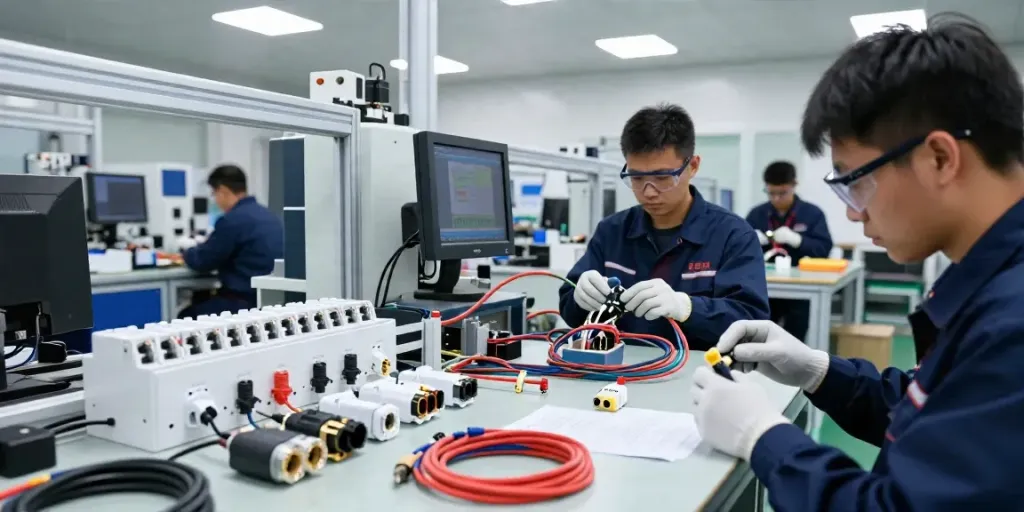
Understanding Industrial Power Connectors
Industrial power connectors are essential components within various industries, serving as reliable links that enable the transfer of electrical power to equipment and machinery. As industries evolve, the demand for high-quality, durable, and efficient connectors has surged. These connectors are specifically designed to handle high voltages and currents, ensuring they meet the rigorous requirements of demanding applications. When exploring options, Industrial power connectors play a crucial role in ensuring safety and efficiency in electrical systems.
What are Industrial Power Connectors?
Industrial power connectors are specialized electrical connectors designed to provide durable, secure, and safe power connections in environments that require higher voltages and currents than standard household connectors. Typically rated for voltages above 250V and currents exceeding 16A, these connectors are used in a variety of applications, from industrial machinery to heavy equipment.
Types of Industrial Power Connectors
There are several types of industrial power connectors, each serving specific needs and applications:
- Plug and Socket Connectors: These are the most common types, consisting of a male plug and female socket, designed for easy connection and disconnection.
- Panel-Mount Connectors: Used for permanent installations, these connectors are mounted on a panel, providing a secure connection point.
- Multi-Pole Connectors: These connectors allow multiple circuits to be connected simultaneously, ideal for complex installations where multiple power routes are necessary.
- Heavy-Duty Connectors: Designed for harsh environments, these connectors often feature robust housings and sealing mechanisms to protect against dust, moisture, and mechanical stress.
Key Features and Specifications
When selecting industrial power connectors, it's crucial to consider their features and specifications, which can significantly impact performance:
- Current and Voltage Rating: Connectors must be rated for the electrical load they will carry. Higher ratings are essential for industrial applications.
- Environmental Protection: Look for IP ratings indicating protection against dust and water ingress, especially in outdoor or wet environments.
- Material Composition: Durable materials like thermoplastics and metals enhance connector longevity and reliability.
- Safety Certifications: Ensure connectors comply with international safety standards such as UL, CE, or IEC to guarantee quality and safety.
Applications of Industrial Power Connectors
Industrial power connectors are utilized across various fields, making them indispensable in today's electrical and electronic ecosystems. Their versatility allows for a wide range of applications, from manufacturing to telecommunications.
Common Uses in Various Industries
Industrial power connectors find applications in numerous sectors, including:
- Manufacturing: Used to connect machinery and equipment, ensuring efficient operation in factories.
- Construction: Essential for heavy-duty equipment, providing reliable power connections on construction sites.
- Telecommunications: Powering communication systems to ensure uninterrupted connectivity.
- Transportation: Used in electric vehicles and charging infrastructure, facilitating efficient energy transfer.
Case Studies: Successful Implementations
Across various industries, industrial power connectors have been successfully implemented to solve specific challenges. For example, in the automotive manufacturing sector, connectors were utilized to streamline assembly line processes, enabling quick and efficient connections between robotic equipment, thus reducing downtime and increasing productivity. Another notable case is in renewable energy, where industrial connectors are integral in connecting solar panels and inverters, ensuring uninterrupted energy flow.
Challenges and Solutions in Application
While industrial power connectors offer numerous benefits, challenges do exist:
- Compatibility Issues: Ensuring connectors are compatible with existing equipment can be a hurdle. Custom solutions may be necessary.
- Environmental Factors: Connectors must withstand harsh environments, which can affect performance. Choosing connectors with appropriate IP ratings is essential.
- Installation Complexity: Proper installation is crucial for performance and safety. Detailed installation guides and training can mitigate these challenges.
Choosing the Right Industrial Power Connectors
Selecting the proper industrial power connector is paramount for ensuring safety, performance, and longevity in electrical systems. Here are key considerations to assist in the selection process.
Factors to Consider When Selecting Connectors
When choosing industrial power connectors, consider:
- Load Requirements: Understand the voltage and current requirements of your application to select appropriately rated connectors.
- Environmental Conditions: Assess the operating environment to select connectors that can withstand temperature, moisture, and dust.
- Durability Expectations: Look for connectors that offer longevity and can handle mechanical stress and frequent connections.
Compatibility with Equipment and Systems
Ensuring compatibility is crucial. Evaluate the specifications of your existing systems and choose connectors that will seamlessly integrate with current equipment. This includes understanding the connector types, pin configurations, and materials used in your equipment. If uncertain, consulting with a manufacturer or using custom solutions may provide the best results.
Common Misconceptions in Connector Selection
Many professionals may believe that all connectors are interchangeable or that higher ratings always mean better performance. However, connector selection involves a nuanced understanding of application-specific needs. For instance, selecting a connector without considering its environmental protection can lead to premature failure in harsh conditions.
Best Practices for Installing Industrial Power Connectors
Proper installation of industrial power connectors is critical for ensuring reliability and safety. Adhering to best practices can significantly enhance performance and longevity.
Step-by-Step Installation Guide
Follow these steps for effective installation:
- Identify Compatibility: Ensure the connector matches the equipment and electrical requirements.
- Prepare Cables: Strip the cables to the correct length and ensure clean, solid connections.
- Connect Wires: Follow the manufacturer's guidelines to connect wires securely, ensuring correct polarity.
- Secure the Connector: Firmly attach the connector, ensuring it is locked in place to prevent accidental disconnection.
- Test the Connection: Once installed, test the connection before regular use to ensure functionality.
Safety Considerations During Installation
Safety is paramount during installation. Always disconnect power before installation, use appropriate personal protective equipment, and follow local electrical codes and standards. Proper training can significantly reduce accidents and ensure safe practices.
Maintenance Tips for Longevity
Regular maintenance can prolong the life of industrial power connectors. Ensure connections are clean and free of corrosion, and periodically inspect for wear or damage. Additionally, seal connectors appropriately in outdoor applications to protect against environmental factors.
Future Trends in Industrial Power Connectors
As technology advances, industrial power connectors will likely evolve to meet new industry demands and standards. Understanding these trends can help manufacturers and engineers stay ahead.
Emerging Technologies in 2026
New technologies are driving innovation in connector design. Wireless power transfer, for instance, is gaining traction, aiming to eliminate the need for physical connectors while offering the same reliability. Furthermore, the integration of smart technology in connectors is anticipated to enhance monitoring capabilities, allowing for real-time performance assessments.
Impact of Industry Standards and Certifications
Compliance with evolving industry standards will remain essential. As safety regulations become stricter, connectors must continuously meet these standards to ensure customer safety and product reliability. This includes updates to certifications such as UL, CE, and RoHS, which dictate quality expectations.
Predictions for the Next Decade
Looking ahead, the demand for connectors that can adapt to new energy solutions like electric vehicles and renewable energy will grow significantly. The need for connectors that can withstand high power loads while maintaining efficiency will drive innovation in materials and designs, potentially leading to lighter, more efficient connectors that can be used across various applications.