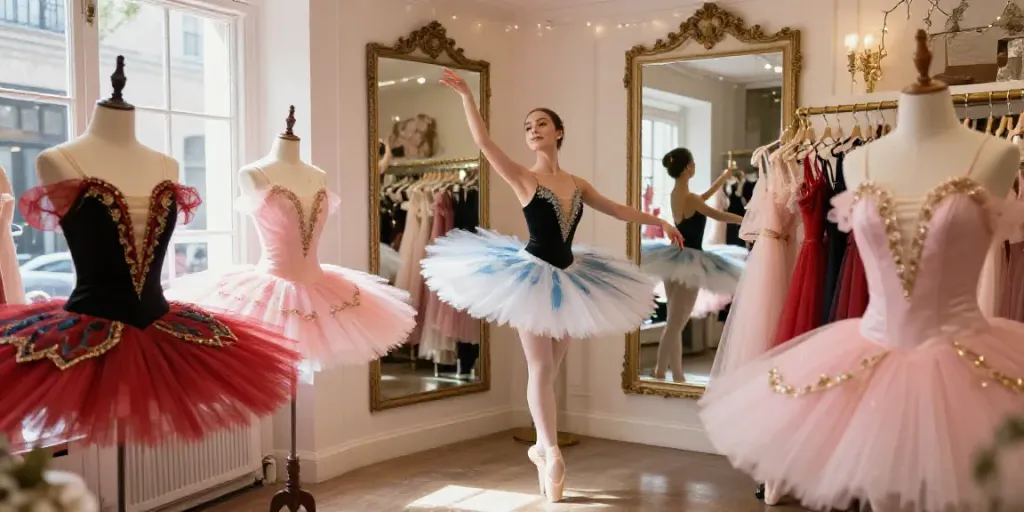
Understanding Ballet Costumes and Their Importance
Ballet costumes, particularly tutus, play a crucial role in the art of ballet. They are not only beautiful pieces of art but also integral to the expression of character and emotion on stage. Each tutu is designed to reflect the personality of the dancer and the story being told, making the selection of the right costume a vital decision for performers at any level. When exploring options, tutu-store.com provides comprehensive insights into various styles and designs to suit different performances.
What Makes a Great Tutu?
A great tutu combines artistry with functionality. The construction typically involves layers of tulle, which provide volume and shape while allowing for ease of movement. Depending on the specific ballet style—classical, contemporary, or character—the design and materials may vary. Classic tutus, for example, typically have a stiffened bodice and an attached skirt that creates a bell shape, while contemporary designs might include softer fabrics and more relaxed silhouettes.
Key elements of a well-made tutu include:
- Material Quality: High-quality fabrics such as professional-grade tulle that withstands the rigors of performance.
- Customized Fit: Costumes should be fitted to enhance the dancer's form and movement.
- Design Aesthetics: Each design must correspond with the character representation, incorporating colors and embellishments that resonate with the ballet’s theme.
The Role of Costumes in Ballet Performances
Costumes in ballet serve several important functions. They not only help define the character and setting but also contribute to the overall visual aesthetic of the performance. A dancer is often judged not only on their technique but also on how convincingly they portray their character, which is heavily influenced by their costume. The right costume can enhance a dancer’s performance, allowing them to embody their role more fully.
Choosing the Right Costume for Different Ballet Styles
Different ballet styles have unique requirements when it comes to costumes. For classical ballet, traditional tutus that are light and fluffy are often preferred, while contemporary performances may call for more fluid garments that allow for dynamic movement and expression. Understanding these differences is essential for dancers and choreographers alike when selecting costumes.
Here are a few examples of costume requirements for various styles:
- Classical Ballet: Tutus are often grand and embellished with rhinestones or sequins for performances like "Swan Lake" or "The Nutcracker."
- Contemporary Ballet: Often employs more relaxed fabrics like chiffon or jersey, allowing for freer movement.
- Character Ballet: Typically includes costumes that reflect the character’s identity, from historical figures to whimsical fantasy creatures.
Navigating the tutu-store.com Shopping Experience
Shopping for ballet costumes online can be daunting, especially with so many options available. However, tutu-store.com simplifies this process by providing a user-friendly platform for exploring various styles and sizes of tutus, ensuring dancers find something suited to their performance needs and personal preferences.
How to Find the Perfect Tutu
Finding the perfect tutu involves understanding your needs as a dancer as well as the demands of the character you wish to portray. Begin by assessing the style of the ballet and your role within it. Additionally, consider your personal comfort and dimensions, which can significantly affect your performance.
Make use of the available resources, such as size guides and customer reviews, to inform your decision. Many online stores, including tutu-store.com, offer insightful tips and charts to help you make a more informed choice.
Utilizing Filters to Streamline Your Search
Many online stores now offer advanced filtering options that help you narrow down choices based on various criteria such as size, color, and style. By utilizing these filters effectively, you can save time and focus on finding a tutu that meets your specific needs without being overwhelmed by the options available.
Understanding Size and Fit for Ballet Costumes
Size and fit are pivotal when choosing a ballet costume. An ill-fitting tutu can hinder movement and impact performance quality. To avoid this, it’s advisable to refer to the sizing charts provided by retailers, which often take into account both height and girth measurements. Furthermore, if you're purchasing for a child, consider their growth patterns, as they may need to adjust their costume size more frequently than adults.
Expert Tips for Maintaining Your Ballet Costume
Once you've found the perfect tutu, maintaining its integrity is crucial for longevity. Ballet costumes, especially tutus, require proper care to keep them looking their best after numerous performances and rehearsals.
Cleaning and Care for Tutu Fabrics
Cleaning ballet costumes should be done with care, as many fabrics are delicate. Always follow the care instructions provided with the costume. Generally, hand washing with mild detergent is recommended, followed by air drying to prevent any damage that may occur in a washing machine or dryer. Avoid harsh chemicals and bleach, as these can weaken fabrics and cause discoloration.
Storage Solutions to Keep Your Costumes in Shape
Proper storage is essential for maintaining the form of your tutu. Use a garment bag to protect it from dust and moisture. Avoid hanging it directly on a hanger, as this can lead to distortions; instead, consider rolling the tutu or flat-laying it in a breathable container. This helps maintain the tutu’s shape and prolongs its life.
Repairing Common Costume Damages
Even with the best care, costumes can sustain wear and tear. Common issues include frayed edges, broken seams, or loose embellishments. It's helpful to have basic sewing skills or to know a good tailor who can make repairs quickly. Many dancers also carry a small sewing kit to make quick fixes before performances.
Top Trends in Ballet Costumes for 2026
As fashion evolves, so does the world of ballet costumes. Staying updated on the latest trends can help dancers choose costumes that not only meet the demands of their performances but also reflect the current aesthetic of the ballet community.
New Designs and Fabrics in the Market
The emergence of innovative fabrics has transformed ballet costume design. Materials that are lightweight, stretchy, and breathable are increasingly popular, allowing for greater comfort and movement. Designers are now experimenting with mixed materials, combining traditional fabrics with modern synthetics to create unique looks that enhance performance.
Color Trends Influencing Ballet Fashion
Color plays a significant role in ballet costumes, influencing both emotion and character portrayal. In 2026, expect to see a rise in vibrant colors and bold patterns, moving away from the classic pastels that have historically dominated ballet. Jewel tones and earthy hues can evoke deeper narratives and offer fresh visual experiences on stage.
Celebrity Influences on Costume Design
As ballet continues to merge with contemporary fashion, celebrities who are passionate about dance are influencing costume designs. Collaborations with fashion designers often result in costumes that are both functional and stylish, appealing to a broader audience. This trend encourages a new generation of dancers to embrace their individuality through unique costume choices.
Frequently Asked Questions About Ballet Costumes
What is the Best Material for a Tutu?
The best material for a tutu often depends on its intended use. Professional tutus are commonly made from high-quality nylon or polyester tulle as these materials offer durability and the ability to hold shape. For practice or recreational use, softer and more affordable fabrics may be acceptable, but they may not provide the same visual impact on stage.
How Do I Choose the Right Size for My Child?
When selecting a size for a child, it’s important to measure their waist, bust, and height accurately. Many stores provide detailed sizing charts that can help you find the best fit. If in doubt, consider opting for a size larger to accommodate growth.
Can I Customize My Ballet Costume?
Many retailers, including tutu-store.com, offer customization options for costumes, allowing you to choose colors, fabrics, and even embellishments to create a truly unique piece. This is particularly useful for dancers looking to reflect personal style or character needs.
What are the Latest Trends in Ballet Costumes?
Current trends in ballet costumes focus on modern fabrics, vibrant colors, and unique silhouettes. Designers are experimenting with new cuts that enhance movement while maintaining traditional aspects of ballet aesthetics.
How to Order Post-Performance Adjustments?
After a performance, it’s common for dancers to require adjustments to their costumes. Many costume shops offer post-performance alterations as part of their services. It’s advisable to inquire about these options when purchasing your costume to ensure a perfect fit for future performances.