Understanding Custom Water Treatment Equipment
In today's industrial landscape, efficient and reliable water treatment solutions are crucial for maintaining environmental standards and operational efficiency. Custom water treatment equipment is designed to meet specific needs, ensuring that industries—ranging from chemical manufacturing to food processing—can operate sustainably and meet regulatory requirements. With a focus on modular and integrated systems, these solutions offer flexibility and adaptability, addressing the diverse challenges faced in water purification and treatment processes.
When exploring options, Custom Water Treatment Equipment provides comprehensive insights into how tailored systems can enhance operations by improving water quality, reducing waste, and lowering operational costs.
What is Custom Water Treatment Equipment?
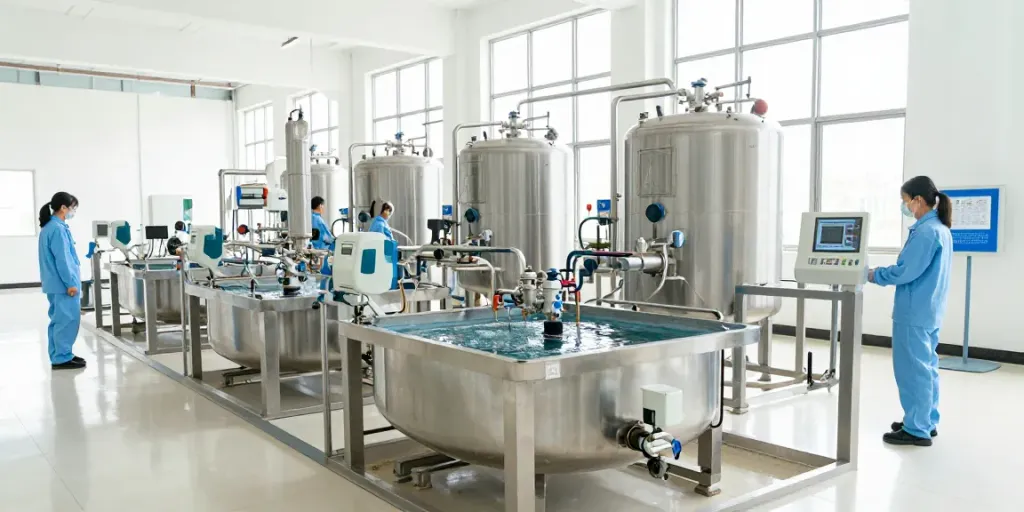
Custom water treatment equipment refers to tailored solutions engineered to meet the unique requirements of different industries. Unlike standard systems, these solutions are adapted to specific water quality challenges, volume demands, and regulatory standards that specific sectors face. The goal is to provide efficient, effective, and environmentally friendly water treatment processes.
Key Components of Water Treatment Systems
- Filtration Units: These are essential for removing particulate matter, sediments, and contaminants from water.
- Purification Systems: Methods such as reverse osmosis and UV sterilization ensure high-quality water by eliminating bacteria and other harmful entities.
- Chemical Dosing Systems: Integrated chemical dosing systems are crucial for water treatment; they allow precise control over the introduction of chemicals necessary for purification.
- Monitoring and Control Systems: Advanced sensors and software control systems provide real-time data analysis, helping track water quality and system performance.
Benefits of Modular and Integrated Solutions
Modular systems are highly valued for their adaptability. They can be easily expanded or modified to match changing demands and can be integrated with existing infrastructure to enhance performance. Key benefits include:
- Scalability: Modular designs allow for incremental upgrades, which means businesses can invest in capacity as needed without substantial upfront costs.
- Cost-Effectiveness: By using integrated solutions, companies can reduce operational expenses through streamlined processes and reduced energy usage.
- Customizability: Tailored equipment can address specific water quality issues and treatment goals, leading to better overall results.
Cost Factors Affecting Custom Water Treatment Equipment
Initial Investment: What to Expect
The initial investment in custom water treatment equipment can vary widely based on the complexity and specific requirements of the installation. Factors to consider include:
- System Design: Custom designs tailored to the unique needs of each application can affect initial costs significantly.
- Material Selection: Higher quality materials may offer longer service life, but they also increase upfront costs.
- Installation: Professional installation may be required for complex systems, impacting the total initial expense.
Operational Costs and Maintenance
Ongoing operational costs typically involve energy consumption, labor, and maintenance. It is important to assess:
- Energy Consumption: Systems should be energy-efficient to minimize electricity costs over time.
- Routine Maintenance: Regular service checks and parts replacements can help prolong the lifespan of water treatment equipment.
Long-Term Savings and ROI Considerations
Investing in custom water treatment equipment can lead to significant long-term savings. Benefits include reduced water purchasing costs, lower waste disposal expenses, and compliance with environmental regulations that can mitigate potential fines. Furthermore, a well-designed system can enhance production efficiency, leading to increased revenue.
Applications Across Industries
How Industries Use Custom Water Treatment Solutions
Custom water treatment solutions are employed across various sectors, including:
- Chemical Manufacturing: Ensuring process water meets purity and quality standards to avoid contamination.
- Food and Beverage: Maintaining strict hygiene and water quality requirements to comply with health regulations.
- Textile Production: Treating water used in dyeing and finishing processes to prevent environmental impact.
- Municipal Water Systems: Offering tailored solutions for local governments to provide safe drinking water.
Case Studies: Success Stories in Diverse Sectors
Many industries have successfully implemented custom water treatment systems, resulting in enhanced operational efficiency and sustainability:
- A Chemical Plant: A customized filtration system reduced contaminant levels by 90%, leading to compliance with stricter regulations.
- A Dairy Processor: An integrated modular system improved water reuse rates, significantly lowering overall costs.
Challenges Faced in Implementation and Solutions
Implementing custom water treatment solutions can present challenges such as:
- Regulatory Compliance: Navigating complex regulations requires expertise and can delay project timelines.
- Integration with Existing Systems: Ensuring new systems work seamlessly with existing infrastructure is critical for efficiency.
Choosing the Right Custom Water Treatment Equipment Supplier
What to Look for in a Supplier
When selecting a supplier for custom water treatment equipment, key factors to consider include:
- Experience: Look for suppliers with a proven track record in your industry.
- Technical Expertise: An understanding of the specific challenges your sector faces is vital for effective solutions.
Evaluating Quality and Compliance Standards
Ensure that the supplier adheres to industry standards and quality certifications. This includes compliance with local and international regulations, which is essential for operational integrity and sustainability.
Building a Partnership for Long-Term Success
Forming a strong partnership with a supplier can lead to long-term benefits, ensuring ongoing support and adaptations as your needs evolve. Establish open communication and discuss future needs to maximize the partnership's value.
Future Trends in Water Treatment Technologies
Innovations on the Horizon for 2026 and Beyond
The water treatment industry is poised for significant technological advancements, particularly in automation and data analytics, which will streamline operations and improve efficiency.
The Role of AI and Automation in Water Treatment
Artificial Intelligence (AI) is transforming water treatment processes by enabling predictive maintenance, optimizing chemical dosing, and improving overall system performance through intelligent analytics.
How Environmental Regulations Shape Industry Practices
As environmental regulations continue to evolve, businesses must adapt their water treatment practices to comply. This will drive innovation in custom equipment design, pushing industries towards more sustainable practices.
Can I install my own water treatment system?
While some systems can be installed by the user, complex installations typically require professional expertise to ensure compliance and operational efficiency.
How much should a water treatment system cost?
The cost of a water treatment system can vary widely based on design, capacity, and technology, typically ranging from tens of thousands to millions of dollars for highly specialized applications.
What are the main types of water treatment methods?
Common methods include filtration, reverse osmosis, UV sterilization, and chemical treatment, each chosen based on specific water quality goals.
Is the water purification business profitable?
The water purification business can be lucrative, given the increasing demand for clean water across industries and the necessity of complying with environmental regulations.
What should I consider when choosing a water treatment system?
Consider factors such as system capacity, specific water quality needs, regulatory compliance, and total cost of ownership including operational and maintenance costs.