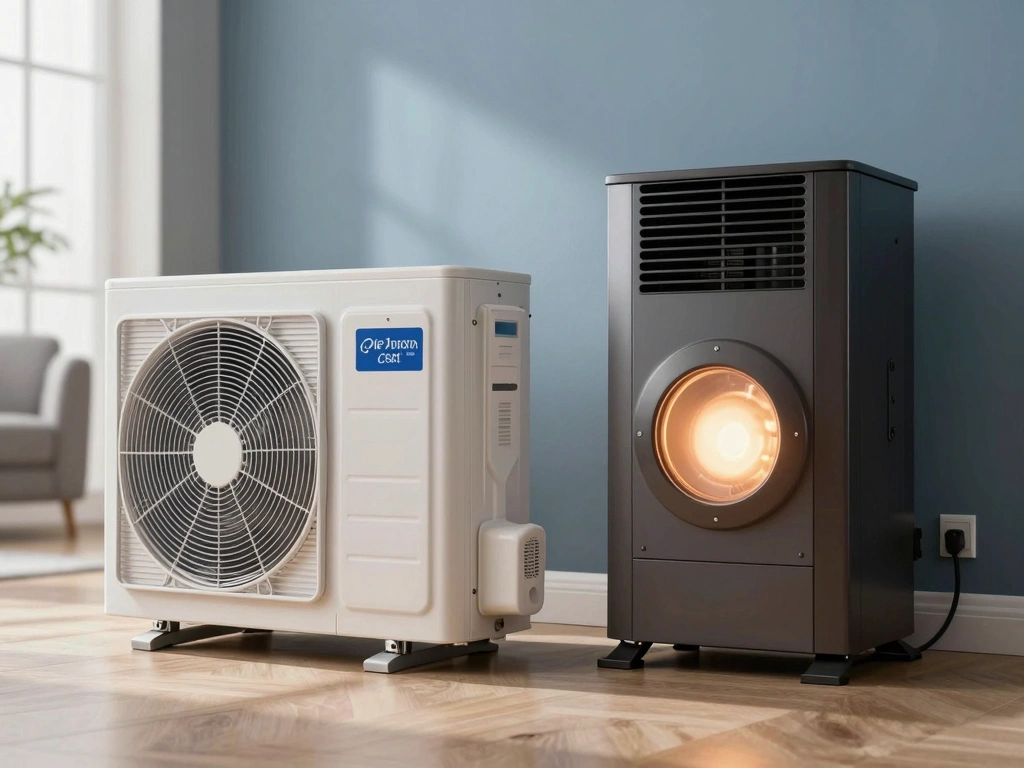
Understanding the Mini Split AC Unit
The rising demand for efficient home cooling solutions has brought the mini split AC unit into the spotlight. These systems, known for their versatility and energy efficiency, offer an ideal solution for residential and commercial spaces alike. A mini split AC unit can provide significant advantages over traditional air conditioning systems, especially in terms of installation flexibility and energy savings. In this article, we will delve into what mini split AC units are, their components, and why they are becoming increasingly popular in modern homes.
What is a Mini Split AC Unit?
A mini split AC unit, also referred to as a ductless air conditioner, consists of an indoor and an outdoor component that work together to cool or heat a space. Unlike traditional central air conditioning systems that rely on ductwork, mini splits allow for direct cooling of individual rooms, offering precise temperature control. This feature makes them particularly appealing for homeowners looking to enhance comfort without the expense and complexity associated with duct installation.
Components of a Mini Split System
Understanding the components of a mini split system is crucial for grasping its functionality. A typical setup includes:
- Indoor Unit: Mounted on walls or ceilings, it distributes conditioned air throughout the room.
- Outdoor Unit: Houses the compressor and condenser, expelling heat from indoors to the outside.
- Refrigerant Lines: Connect the indoor and outdoor units, containing the refrigerant that absorbs and dissipates heat.
- Remote Control: Most systems come with a remote for convenient operation.
Energy Efficiency Ratings and What They Mean
Energy efficiency is a significant consideration when selecting a mini split AC unit. Look for the Seasonal Energy Efficiency Ratio (SEER) rating, which measures how efficiently an air conditioning system operates over a typical cooling season. Higher SEER ratings indicate better energy efficiency, translating to lower utility bills. When exploring options, mini split ac unit are known for their impressive SEER ratings, often exceeding 20, making them a wise investment for the environmentally conscious consumer.
Advantages of Mini Split AC Units
Improved Energy Efficiency Over Traditional Systems
One of the standout benefits of mini splits is their energy efficiency. Unlike central air conditioning systems that cool entire homes, mini splits allow for targeted cooling of specific areas. This not only reduces energy consumption but also minimizes costs associated with cooling spaces that aren’t in use. Moreover, many models come equipped with inverter technology, which adjusts the compressor speed according to the cooling needs of your home, leading to further energy savings.
Flexible Installation Options and Space Utilization
Mini split systems are incredibly versatile when it comes to installation. They do not require ductwork, making them an excellent choice for homes without existing ducts or those undergoing renovations. The indoor units come in various styles, including ceiling-mounted, wall-mounted, and floor-mounted options, accommodating different aesthetic preferences and spatial constraints. This flexibility allows homeowners to utilize their space more efficiently while maintaining comfort.
Year-Round Comfort: Cooling and Heating Capabilities
Mini split AC units are not solely for cooling; many models also function as heat pumps, providing heating solutions during colder months. With the ability to switch between heating and cooling modes, homeowners can rely on a mini split system for year-round comfort. This dual functionality makes mini splits an attractive option, particularly in climates with varying temperature conditions.
Installation Best Practices for Mini Split Systems
Choosing the Right Location for Installation
Proper installation is critical to maximizing the efficiency and lifespan of a mini split system. Selecting the right location for the indoor unit is essential; it should be mounted high on a wall to facilitate effective air circulation and away from direct sunlight to prevent overheating. The outdoor unit should be placed on a stable surface, preferably elevated, to mitigate the impact of snow and debris.
Essential Tools and Materials for DIY Installation
For those considering a DIY installation of a mini split system, it’s vital to have the right tools. Essential items include a level, drill, wrenches, and a vacuum pump. Additionally, ensure you have all necessary materials, such as refrigerant lines and insulation tape. While DIY installation can save money, proper knowledge of HVAC systems is recommended to avoid any long-term issues or inefficiencies.
Professional Installation vs. DIY: Pros and Cons
Opting for professional installation can provide peace of mind as HVAC technicians are trained to handle the intricacies of mini split systems. They ensure compliance with local building codes, which can be a significant advantage. On the other hand, while DIY installation can reduce costs, it comes with risks, including potential warranty voiding and improper setup leading to inefficiencies. Weighing these factors is essential before making a decision.
Common Challenges and Solutions
Identifying and Addressing Noise Issues
While mini split systems are generally quieter than traditional air conditioners, users may occasionally encounter noise issues, especially with older or improperly installed models. To alleviate noise, ensure that the outdoor unit is mounted securely on a stable surface and check for loose components that could contribute to vibrations. Regular maintenance, including cleaning filters and ensuring clear airflow, can also help minimize noise levels.
Maintaining Energy Efficiency: Filters and Maintenance
To keep a mini split system operating efficiently, regular maintenance is essential. Homeowners should clean or replace filters every few months, as dirty filters can significantly reduce airflow and efficiency. Additionally, scheduling annual professional maintenance can help identify and resolve potential issues before they affect system performance.
Dealing with Unexpected Costs During Installation
Unexpected costs can arise during the installation of mini split AC units, particularly if additional electrical work or modifications to the existing structure are needed. To mitigate these surprises, it’s advisable to obtain a comprehensive quote from a professional installer that outlines all necessary tasks. For DIY projects, create a budget that includes potential hidden costs to avoid getting caught off-guard.
The Future of Mini Splits: Trends for 2026 and Beyond
Emerging Technologies in Mini Split Systems
The mini split market is evolving, with innovations aimed at enhancing efficiency and user experience. Emerging technologies include smart home integration, allowing homeowners to control their systems remotely via smartphone apps. Additionally, advancements in inverter technology are leading to even higher efficiency ratings, further reducing energy costs.
Environmental Impact and Sustainable Solutions
As climate change becomes an increasingly pressing issue, the HVAC industry is moving towards more sustainable solutions. Mini split AC units, with their lower energy consumption and ability to use refrigerants with lower global warming potential, are positioned to play a significant role in reducing carbon footprints. Manufacturers are also focusing on developing units that meet higher efficiency standards while using environmentally friendly materials.
Consumer Preferences and Market Trends
Consumer preferences are shifting towards home comfort solutions that combine efficiency with aesthetics. Aesthetic designs and quiet operation are at the forefront of consumer considerations, leading manufacturers to invest in more visually appealing indoor units. Moreover, as awareness of energy efficiency grows, consumers are increasingly seeking mini split systems with high SEER ratings that offer better savings and environmental benefits.
Are Mini Splits Worth It? Expert Insights
In summary, mini split AC units present a compelling case for homeowners seeking an efficient, flexible, and sustainable way to manage indoor climate. While the initial investment can be higher compared to traditional systems, the long-term savings in energy costs and the versatility make them a worthwhile consideration. Consulting with HVAC professionals can provide personalized insights and help homeowners make informed decisions that align with their specific needs and preferences.